
Elon Musk Net Worth 2026 continues to capture global attention as his financial empire expands across multiple industries. Today, Elon Musk wealth is driven by powerful companies like Tesla and SpaceX, making him the world’s richest person and one of the most influential business magnates in modern history.
His journey reflects extreme wealth growth, turning early startup success into a massive fortune built through innovation and risk-taking. As investors track his every move, his Elon Musk fortune keeps shifting with market changes, company valuations, and new ventures in AI and space technology. This introduction explores how his billionaire net worth reached record-breaking levels in 2026.
What Is Elon Musk’s Net Worth in 2026?
As of 2026, Elon Musk wealth is estimated at around $800 billion, making him not only the world’s richest person but also the richest human in history. His massive personal fortune comes primarily from ownership stakes in Tesla and SpaceX, along with several other high-value companies. Unlike traditional billionaires who depend on salaries, Musk’s fortune grows through rising company valuations and expanding ownership stakes.
What makes Elon Musk Net Worth 2026 unique is the combination of public and private assets. His asset portfolio includes shares in Tesla, ownership in SpaceX, interests in xAI, and holdings in several innovative ventures. Because much of his wealth remains tied to equity, his billionaire net worth can fluctuate significantly as market conditions and company valuation levels change.
Key Facts About Elon Musk’s Wealth
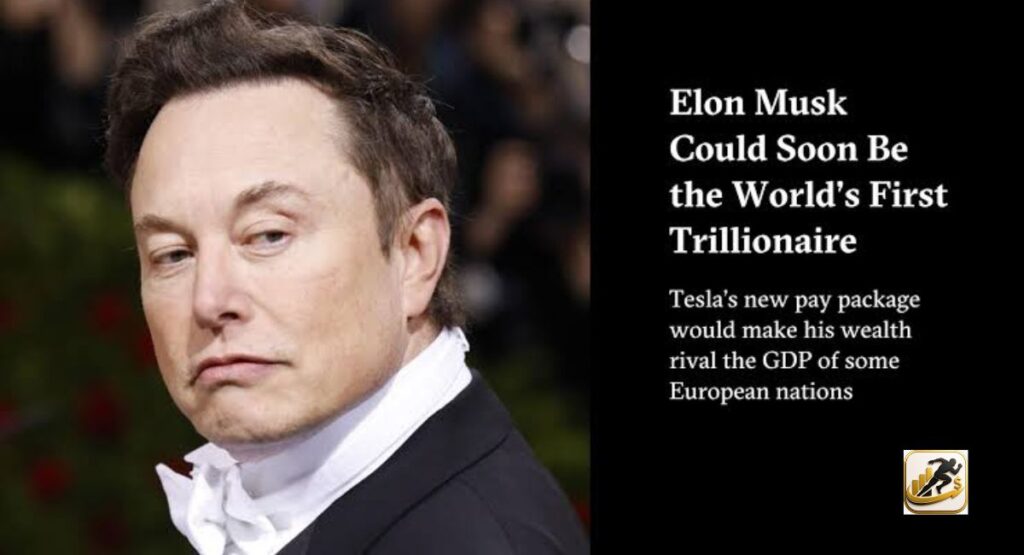
One reason analysts closely monitor Elon Musk fortune is the sheer scale of his business ownership. He controls substantial stock holdings in Tesla and owns a major portion of SpaceX. These investments represent the backbone of his growing business empire. Unlike many wealthy individuals who diversify broadly, Musk often reinvests capital directly into his own companies.
The story behind Elon Musk wealth is filled with extraordinary wealth milestones. He became the first person to cross several major net worth thresholds, including $300 billion, $400 billion, and beyond. His source of wealth comes largely from innovation-driven businesses that disrupted existing industries. This combination of vision, risk-taking, and execution has placed him at the top of every major billionaire ranking.
| Key Wealth Metric | Estimated Value |
| Net Worth | $800 Billion |
| Main Wealth Source | Tesla and SpaceX |
| Tesla Ownership | Major Shareholder |
| SpaceX Ownership | Major Shareholder |
| Global Rank | #1 |
| Future Goal | Potential trillionaire status |
Elon Musk Net Worth History (2002–2026)
The net worth history of Elon Musk shows one of the fastest examples of wealth creation ever recorded. In 2002, following the sale of PayPal, Musk’s wealth stood in the hundreds of millions. Over the next two decades, his investments in Tesla and SpaceX transformed that initial capital into an enormous investment portfolio. Every major success pushed his wealth timeline higher.
Several events accelerated this dramatic rise. The rapid growth of Tesla stock, the increasing SpaceX valuation, and expanding revenue from Starlink all contributed to his growing Elon Musk fortune. By 2026, his holdings reached levels previously considered impossible. Financial experts often compare this trajectory to historical figures such as John D. Rockefeller, although Musk’s fortune grew much faster.
| Year | Estimated Net Worth |
| 1999 | $22 Million |
| 2002 | $175 Million |
| 2010 | $650 Million |
| 2012 | $2 Billion |
| 2020 | $28 Billion |
| 2021 | $335 Billion |
| 2024 | $348 Billion |
| 2025 | $500+ Billion |
| 2026 | $800 Billion |
How Did Elon Musk Become Rich?
The journey behind Elon Musk Net Worth 2026 began with a willingness to take enormous risks. Unlike many entrepreneurs who cash out after a successful exit, Musk repeatedly reinvested nearly all his earnings into new business ventures. This approach allowed him to multiply his wealth rather than simply preserve it. His entire entrepreneurial journey reflects a long-term focus on innovation rather than short-term profits.
Another factor behind Elon Musk income growth is his ability to identify industries with massive future potential. He entered online payments through PayPal, electric transportation through Tesla, and space exploration through SpaceX. Each company addressed a major market opportunity. As these businesses expanded, shareholder confidence increased, driving higher market capitalization, stronger shareholder value, and continued growth in Elon Musk assets.
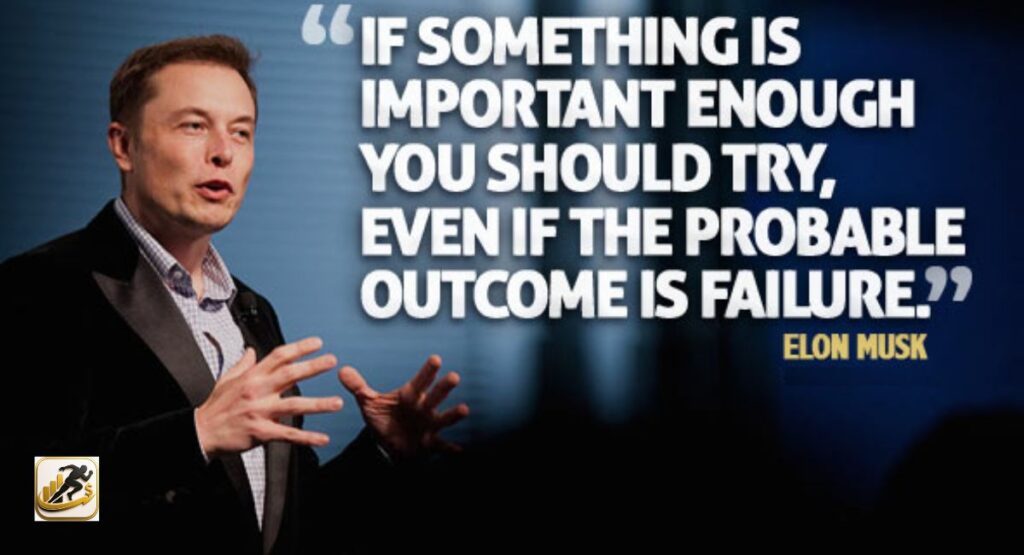
“When something is important enough, you do it even if the odds are not in your favor.” — Elon Musk
The combination of calculated risk, relentless innovation, and long-term vision transformed Musk from a young entrepreneur into one of the most influential business leaders of the twenty-first century.
Zip2 Elon Musk’s First Major Success
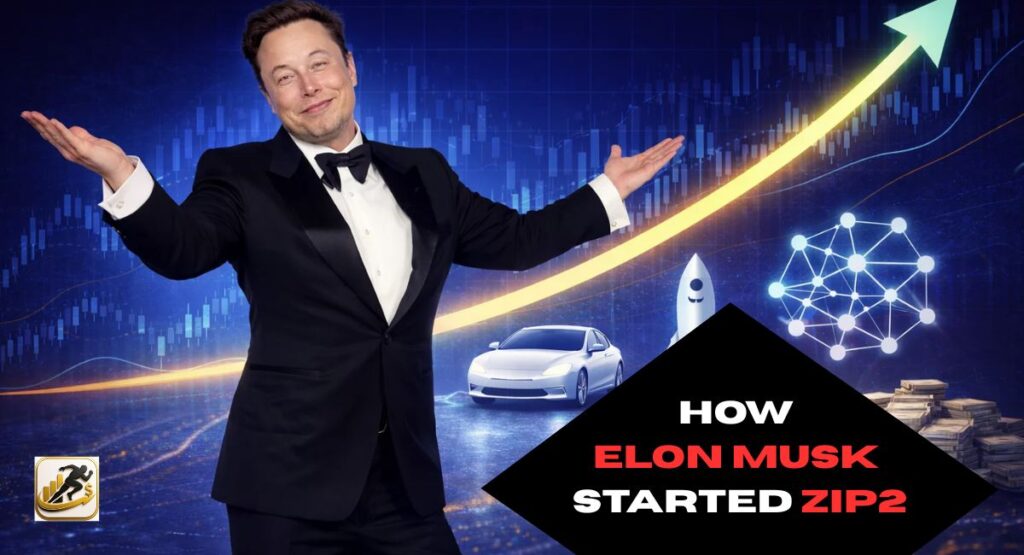
Every great fortune has a starting point. For Elon Musk, that beginning was Zip2, a company he launched with his brother during the early internet boom. As a young South African entrepreneur and ambitious self-taught programmer, Musk saw an opportunity to help newspapers move online. The company provided digital business directories, maps, and local listings long before modern navigation services became common.
The breakthrough came when Compaq acquisition purchased Zip2 in 1999 for more than $300 million. Musk personally earned around $22 million from the deal. This first major exit became the foundation of his future Elon Musk investments. More importantly, it gave him the confidence to pursue even larger opportunities. Many entrepreneurs stop after one success. Musk used his first win as a launchpad for a much bigger business success story.
PayPal (X.com): The Breakthrough That Changed Everything
Rather than protecting his newly earned wealth, Musk immediately invested in X.com, an innovative financial startup designed to transform online banking. At the time, digital payments were still new. However, Musk believed the internet would change how people transfer money. His vision eventually led to the creation of PayPal, one of the world’s most successful financial technology companies.
The company grew rapidly and attracted millions of users. In 2002, the famous eBay acquisition purchased PayPal for $1.5 billion. Musk was the largest shareholder and received roughly $165 million. That payout dramatically increased Elon Musk income and created the capital needed to fund future projects. Without X.com, PayPal, and the rise of the modern online payment platform, the current Elon Musk fortune might never have existed.
How PayPal Changed Musk’s Future
The sale of PayPal marked a turning point in Musk’s career. Instead of retiring wealthy, he reinvested nearly all his proceeds into industries that many investors considered too risky. This decision set the stage for SpaceX, Tesla, and several groundbreaking companies that would eventually redefine his source of wealth.
Tesla: The Biggest Contributor to Elon Musk’s Net Worth
When Musk invested in Tesla in 2004, the electric vehicle market barely existed. Most experts believed traditional gasoline-powered vehicles would dominate transportation for decades. Yet Elon Musk saw a different future. As the company’s largest investor and later Tesla CEO, he pushed the business toward mass adoption of electric vehicles. This move transformed both the company and his personal wealth.
Today, Tesla remains one of the most important parts of Elon Musk Net Worth 2026. The value of Tesla stock, combined with the company’s enormous Tesla market cap, has generated tremendous wealth growth. Investors no longer see Tesla as only an electric vehicle manufacturer. The company now operates in sustainable energy, robotics, software, and artificial intelligence. This broad business model continues to increase its long-term company valuation.
Tesla’s Expansion Beyond Cars
Modern Tesla generates value from multiple sectors. Projects such as Full Self-Driving (FSD), Robotaxi services, Cybercab development, and the Optimus Robot have expanded investor confidence. Meanwhile, Tesla Energy products and large-scale Megapack battery systems support global energy infrastructure. These innovations strengthen Tesla’s position as both a transportation and robotics company.
The company continues to influence the global technology industry. As a result, Tesla remains one of the largest contributors to Elon Musk assets, stock holdings, and overall personal fortune.
| Tesla Wealth Drivers | Impact on Elon Musk Wealth |
| Tesla Stock Ownership | Extremely High |
| Tesla Market Cap Growth | Extremely High |
| FSD Technology | High |
| Robotaxi Network | High |
| Tesla Energy | High |
| Optimus Robot | Future Growth Potential |
SpaceX and the xAI Merger Impact on His Wealth
While Tesla receives significant public attention, many analysts believe SpaceX may become the most valuable company in Musk’s portfolio. Founded in 2002, the company started with a mission to lower launch costs and advance Mars colonization. Today, SpaceX dominates the commercial launch industry through reusable rockets such as Falcon 9 and the next-generation Starship system.
A major turning point arrived with the SpaceX xAI merger. This strategic combination linked Musk’s space company with xAI, creating new opportunities in Artificial Intelligence and advanced computing. Investors view the merger as a powerful step toward building future AI infrastructure. As a result, the overall SpaceX valuation increased dramatically and boosted Elon Musk wealth even further.
Why SpaceX Could Surpass Tesla
The company benefits from several powerful growth engines. Starlink continues expanding globally and attracting millions of Starlink subscribers. Space missions support government contracts and commercial customers. Future plans involving Orbital data centers, Grok AI, and advanced Artificial General Intelligence (AGI) projects could unlock entirely new revenue streams.
Many financial experts believe the upcoming SpaceX IPO may become one of the largest public offerings in history. If that happens, it could push Elon Musk fortune closer to the long-discussed goal of trillionaire status.
Other Companies and Investments Owned by Elon Musk
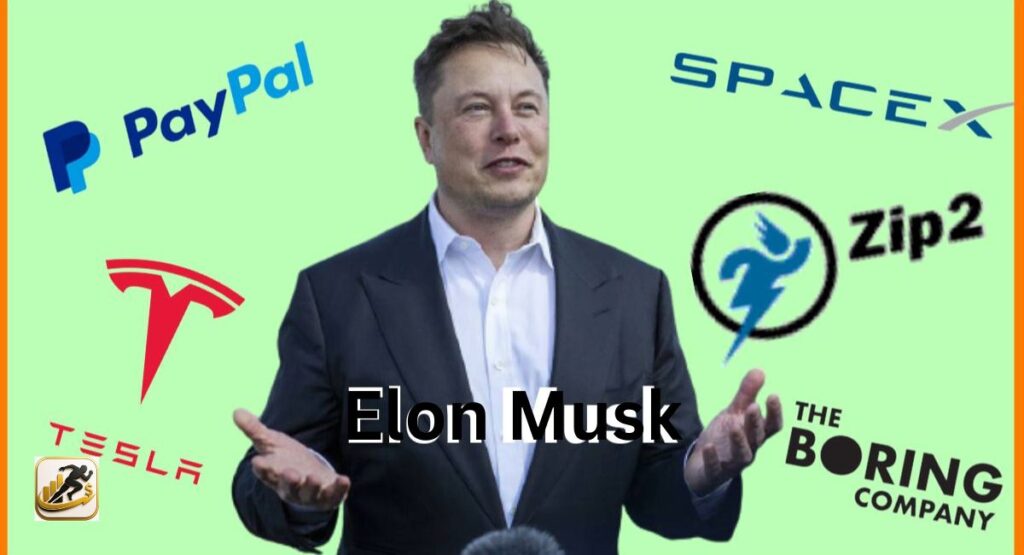
Beyond Tesla and SpaceX, Elon Musk controls several innovative companies that strengthen his growing financial empire. These businesses may not generate the same headlines as Tesla, yet they contribute significantly to his overall asset portfolio. Together, they diversify his investment portfolio and position him at the center of multiple emerging industries.
One of the most notable assets is X (Twitter), which Musk acquired in 2022. His long-term goal is to transform the platform into an Everything app that combines communication, payments, entertainment, and commerce. Musk also founded Neuralink, a company developing advanced Brain-computer interface technology. At the same time, The Boring Company continues exploring innovative Tunnel transportation solutions designed to reduce traffic congestion in major cities.
The Growing Role of xAI
Among Musk’s newest ventures, xAI has attracted enormous attention. The company created Grok AI and competes directly with leading artificial intelligence firms. As demand for Artificial Intelligence accelerates, xAI could become one of the most valuable components of Elon Musk holdings. Combined with Tesla and SpaceX, it strengthens Musk’s position as a global innovation leader.
Elon Musk’s Salary, Compensation, and Income Sources
Many people assume the world’s richest person earns a massive paycheck. Surprisingly, Elon Musk salary is often listed as zero. Instead of relying on traditional executive pay, Musk builds wealth through company ownership and performance-based incentives. This unique approach separates him from most corporate leaders and explains much of his remarkable wealth growth.
The majority of Elon Musk income comes from appreciating shares and equity ownership. His famous Tesla package relied on Stock options, ambitious company goals, and long-term performance targets. This form of Executive compensation links rewards directly to business success. It also aligns shareholder interests with management objectives, creating stronger shareholder value over time.
How Musk Earns Without a Traditional Salary
Musk’s compensation structure depends heavily on Performance-based compensation. Rather than receiving annual cash bonuses, he benefits when company valuations rise. Although legal challenges emerged through a Delaware court ruling, investors later supported revised compensation plans through Shareholder approval processes and strengthened Corporate governance measures.
| Income Source | Importance |
| Tesla Stock Holdings | Very High |
| SpaceX Ownership | Very High |
| xAI Equity | High |
| X (Twitter) Ownership | Medium |
| Other Private Equity Investments | Medium |
| Traditional Salary | Minimal |
Elon Musk’s Assets, Real Estate, and Luxury Holdings
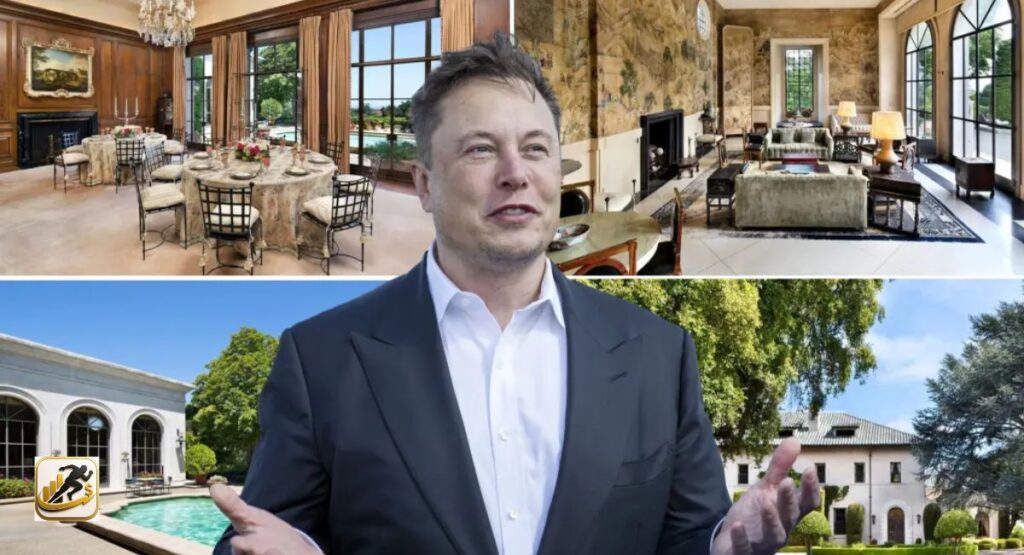
The scale of Elon Musk assets extends far beyond company shares. While most of his wealth remains tied to businesses, he also owns valuable personal property. Over the years, Musk built an impressive collection of homes, aircraft, and other investments. However, unlike many billionaires, he has often reduced personal spending to focus on business expansion.
His real estate holdings once exceeded $100 million. These properties included a famous Bel-Air mansion, a historic Hillsborough estate, and multiple Austin Texas homes. Although Musk sold several California properties, his remaining luxury real estate continues to represent an important part of his overall property portfolio.
Why Musk Sold Many Properties
In 2020, Musk announced plans to simplify his lifestyle. He sold numerous homes and redirected capital toward future projects. This unusual decision reflected his long-term philosophy of focusing resources on innovation rather than luxury. Even after these sales, his overall Elon Musk fortune remained overwhelmingly connected to business ownership rather than personal possessions.
Can Elon Musk Become a Trillionaire?
The possibility of reaching trillionaire status has become one of the most discussed topics in global finance. Given the current pace of Elon Musk wealth expansion, many analysts believe he could become the first trillionaire in modern history. Unlike traditional billionaires, Musk controls ownership in companies that continue creating entirely new markets.
Several factors support this prediction. Continued growth in Tesla market cap, expansion of Starlink, advances in Artificial Intelligence, and a potentially massive SpaceX IPO could add hundreds of billions to his net worth. If these businesses achieve their long-term goals, the path toward a trillion-dollar fortune becomes increasingly realistic.
The Key Drivers Behind Future Wealth Growth
Future wealth creation will likely depend on robotics, artificial intelligence, autonomous transportation, and commercial space infrastructure. Projects involving Optimus Robot, Robotaxi, Starship, and advanced AI systems could reshape entire industries. If successful, these innovations may produce the next chapter of Musk’s extraordinary wealth timeline.
“The biggest fortunes are often built by creating industries that did not previously exist.”
As history shows, Musk repeatedly enters sectors before they become mainstream. That strategy may ultimately make him the world’s first trillionaire.
Elon Musk vs Other Billionaires: Wealth Comparison
The global billionaire ranking has changed dramatically over the past decade, yet Elon Musk continues to dominate the top position. When compared with figures like Jeff Bezos, Bill Gates, and John D. Rockefeller, Musk stands out because his Elon Musk wealth is tied to high-growth technology companies rather than slow-moving traditional industries.
Unlike many richest people in the world, Musk’s personal fortune rises and falls with innovation cycles. This creates extreme wealth growth volatility but also unmatched upside. For example, Tesla stock surges and SpaceX valuation increases have repeatedly pushed him ahead of rivals in the global wealth comparison charts.
Wealth Comparison Table (2026 Estimate)
| Billionaire | Estimated Net Worth | Key Source |
| Elon Musk | $800 Billion | Tesla, SpaceX |
| Jeff Bezos | $200+ Billion | Amazon |
| Bill Gates | $120+ Billion | Microsoft |
| Bernard Arnault | $180+ Billion | LVMH |
This comparison shows how Musk’s business empire is far more concentrated in future-driven industries like Artificial Intelligence, space exploration, and robotics.
Frequently Asked Questions About Elon Musk Net Worth
People often search for simple answers about Elon Musk Net Worth 2026, but his wealth structure is complex. Most of his income sources are not traditional salaries but equity-based growth from massive companies. This makes his financial profile very different from typical billionaires.
For example, many users ask how much he earns per second or per day. The reality is that Elon Musk income is not fixed. It changes based on market capitalization, investor sentiment, and long-term company performance. His wealth is closely tied to shareholder value and major business milestones.
Common Questions Answered
How rich is Elon Musk in 2026?
He is currently estimated to hold around $800 billion in Elon Musk fortune, making him the world’s richest person.
Does Elon Musk take a salary?
His Elon Musk salary is typically zero. Instead, he earns through stock options and performance-based compensation.
Will Elon Musk become a trillionaire?
If companies like SpaceX, Tesla, and xAI continue growing, trillionaire status is possible within the next decade.
Elon Musk’s Influence Beyond Wealth
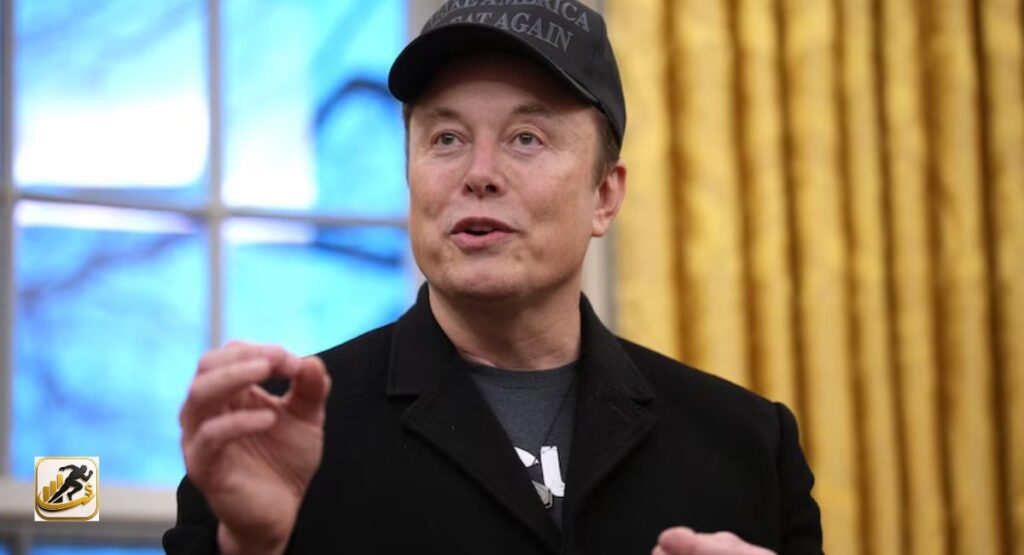
The impact of Elon Musk goes far beyond Elon Musk assets or financial numbers. He is widely recognized as a technology entrepreneur and innovation leader who reshaped multiple industries. His work in electric vehicles, space travel, and artificial intelligence continues to influence global markets.
Through companies like Tesla, SpaceX, and Neuralink, Musk has accelerated progress in sustainable energy, autonomous vehicles, and AI infrastructure. His vision extends toward a future built on robotics, interplanetary travel, and human-AI integration. This makes him not only a billionaire but also a major force shaping modern civilization.
Final Thoughts on Elon Musk Net Worth 2026
The journey of Elon Musk Net Worth 2026 reflects one of the most extraordinary business success stories in history. From Zip2 to PayPal, from Tesla CEO to SpaceX IPO ambitions, every stage of his career has expanded his financial empire.
His story proves that bold ideas, high risk, and relentless execution can create unmatched wealth milestones. Whether he becomes the first trillionaire or not, his place among the most influential business magnates in history is already secure.
Elon Musk’s Financial Strategy: How He Built a Massive Fortune
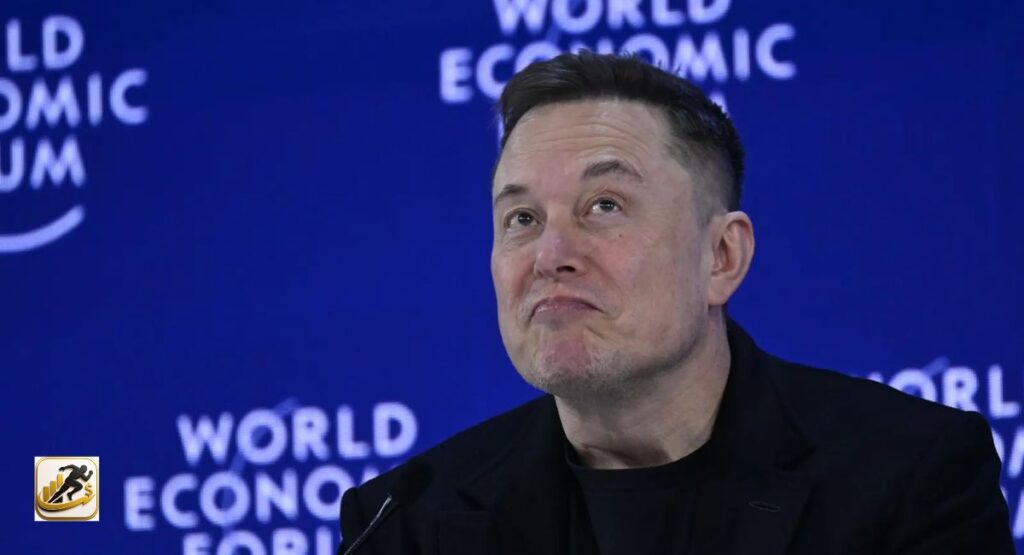
Elon Musk did not build his fortune through a high salary or traditional investments. Instead, he focused on owning large stakes in companies he believed could transform the future. This strategy allowed him to benefit directly from rising company valuations rather than relying on yearly paychecks. His wealth journey started with the sale of Zip2 and later accelerated after PayPal was acquired by eBay.
One of Musk’s most important financial decisions was reinvesting nearly all of his PayPal earnings into Tesla and SpaceX. At the time, both companies were considered extremely risky. However, his willingness to take calculated risks created extraordinary returns. As Tesla’s market value surged and SpaceX became the world’s leading private space company, Musk’s net worth increased dramatically.
Unlike many billionaires who diversify widely, Musk concentrates much of his wealth in a few businesses. This approach creates volatility, but it also provides enormous upside potential. Today, most of his fortune comes from ownership stakes in Tesla, SpaceX, xAI, and other ventures rather than cash holdings.
His financial philosophy focuses on long-term innovation. Instead of preserving wealth, he continually invests in new technologies such as artificial intelligence, robotics, sustainable energy, and space exploration. This mindset has helped him build one of the largest personal fortunes in modern history and positioned him as a leading figure in global finance and technology.
1 Comment
Pingback: Jeff Bezos Net Worth 2026: Wealth, Income, Assets, Career & Success Story